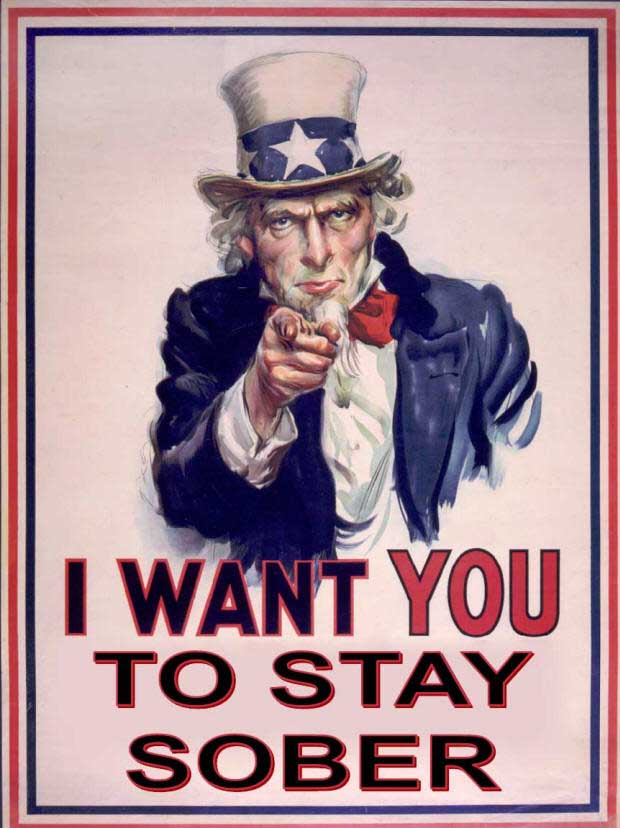
Though I haven’t specifically written it, I support the school board majority’s decision in tightening the zero tolerance drug policy to include alcohol cases.
I support the policy because it is one small step in eliminating the double standard society has for alcohol.
I support the policy because I support a safe school that does not tolerate students harming their own bodies with alcohol, much less potentially harming their sober classmates.
I support the policy because alcohol has no place in a professional environment, which is what school is and is what school prepares its students for. If you were drunk at work, you would likely be fired.
I support the policy because it calls for fairer justice than “administrative discretion.” It calls for a due process hearing.
I support the policy because it demands a fair, variable punishment: one day to permanent removal from the SOCIAL environment of school, while still receiving the EDUCATION every student is guaranteed, through homebound learning.
Students who are expelled can and do graduate or receive a GED on time. Students who are expelled can and do pursue higher education. Students who are expelled receive regular rehabilitation from the Drug & Alcohol Commission.
I support the policy because it secures the school district Safe Schools grant money.
I support the policy because students who are expelled are not repeat offenders.
And I support the policy because somehow, about 99.99 percent of the student body survives coming to school sober, without bringing in booze. They deserve an education free of illegal substances, which alcohol is, in an institution that entirely serves persons under 21.
Those are based on facts I’ve collected by listening to the administrators and board members at meetings, e-mailing them, and hearing from students who have been expelled.
In many ways, I view the policy as a dead issue that is not worth much debate and hype. There have been
a few efforts reported on this blog to battle the extant policy, and–aside from stretching the facts–, they aren’t going to be effective at changing the policy because of the high-prioritized, firm position of the powerful school board.
And policy dissenters certainly aren’t going to alleviate the real societal problem at hand:
Drinking.
To solve that problem, we should all be working together on continuing to improve preventative and rehabilitation programs: not bickering policy that simply will not–and should not–change.


 Posts
Posts


